Basic Food Preparation Techniques: A Beginner’s Guide to Cooking
Food preparation is one of the most important parts of cooking. Before preparing any meal, it is necessary to organize ingredients, clean vegetables, cut food properly, and understand basic cooking techniques. Good food preparation makes cooking easier, saves time, improves food quality, and helps create delicious meals.
Whether you are a beginner or an experienced home cook, learning basic food preparation techniques can improve your kitchen skills. In this guide, we will explore some essential techniques that everyone should know.
1. Washing and Cleaning Ingredients
Washing ingredients is the first step in preparing food. Fresh fruits and vegetables should be rinsed under clean running water to remove dirt, dust, and other unwanted materials.
Use a clean brush for firm vegetables such as potatoes and carrots. Remove damaged leaves from leafy vegetables and dry them with a clean kitchen towel or salad spinner.
Raw meat and poultry should not be washed because splashing water can spread harmful bacteria around the kitchen. Instead, handle them carefully and cook them to safe internal temperatures.
2. Chopping and Cutting Vegetables
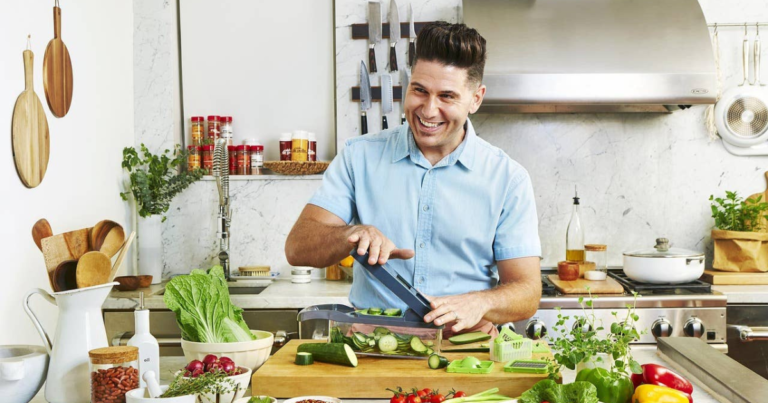
Chopping and cutting are basic kitchen skills used in almost every recipe. Different cutting styles help ingredients cook evenly and improve the appearance of dishes.
Some common cutting techniques include:
- Dicing: Cutting vegetables into small, evenly sized cubes.
- Slicing: Cutting ingredients into thin or thick pieces.
- Mincing: Chopping ingredients into very small pieces, commonly garlic and onions.
- Julienne: Cutting vegetables into thin, matchstick-shaped strips.
- Chopping: Cutting ingredients into pieces of different sizes.
Always use a sharp knife and a stable cutting board. Keep your fingers away from the blade to prevent injuries.
3. Measuring Ingredients Correctly
Accurate measurements are especially important in baking and recipes that require specific ingredient proportions.
Use measuring cups for ingredients such as flour, sugar, and liquids. Measuring spoons are useful for smaller quantities of spices, salt, and baking powder.
For better baking results, a kitchen weighing scale can provide more accurate measurements than cups. Following recipe instructions carefully helps maintain the correct taste and texture.
4. Peeling and Trimming
Peeling removes the outer skin of ingredients such as potatoes, carrots, cucumbers, and apples. A vegetable peeler makes this task easier and reduces food waste when used correctly.
Trimming involves removing unwanted parts of ingredients, such as vegetable stems, damaged leaves, and tough ends. Proper peeling and trimming help prepare clean ingredients for cooking.
However, some vegetable skins are edible and contain useful nutrients, so peeling is not always necessary.
5. Mixing and Combining Ingredients
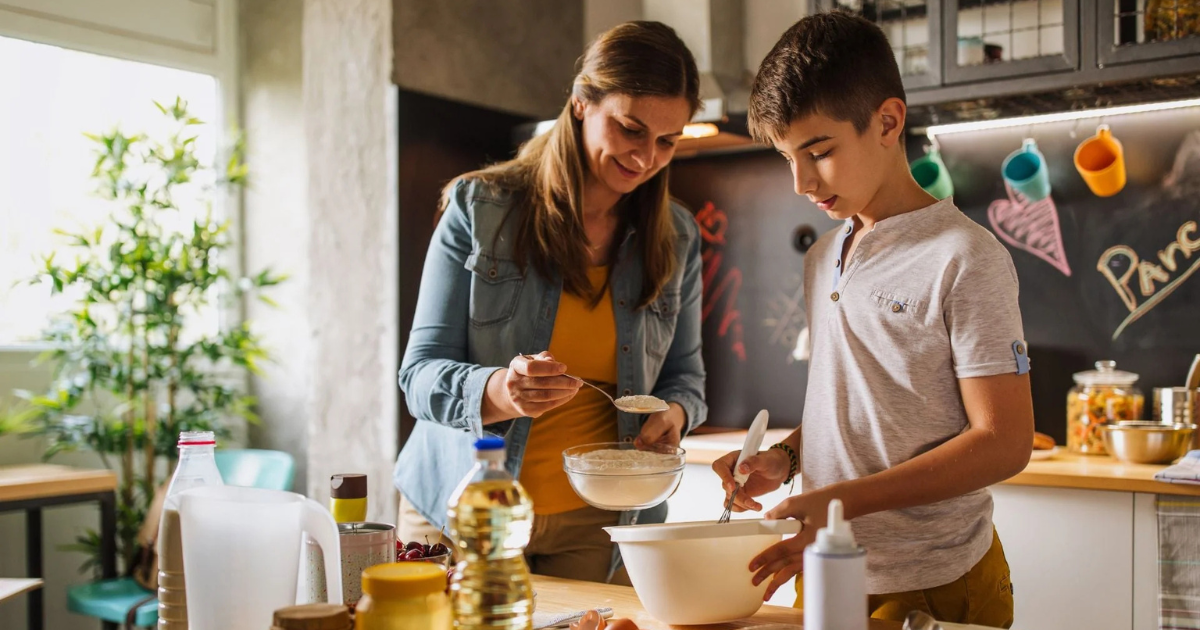
Mixing is another essential food preparation technique. It involves combining two or more ingredients to create an even mixture.
A spoon, whisk, spatula, or electric mixer can be used depending on the recipe. For example, whisking eggs creates a smooth mixture, while gently folding ingredients helps maintain the light texture of cakes and other baked foods.
Avoid overmixing when preparing delicate recipes because it can affect the final texture.
6. Marinating Food
Marinating involves soaking food in a seasoned mixture before cooking. It is commonly used for chicken, meat, fish, and vegetables.
A marinade may contain ingredients such as yogurt, lemon juice, garlic, herbs, spices, and oil. Marinating helps add flavor and can improve the texture of certain foods.
Always marinate food in a covered container inside the refrigerator. Never reuse marinade that has touched raw meat unless it is thoroughly cooked first.
7. Organizing Ingredients Before Cooking
Professional cooks often use a preparation method called mise en place, which means putting everything in its proper place.
Before starting a recipe, measure ingredients, chop vegetables, prepare spices, and arrange kitchen tools. This simple habit prevents confusion and makes the cooking process smoother.
It is especially helpful when preparing meals with several ingredients or multiple cooking steps.
8. Maintaining Kitchen Hygiene
Food hygiene is essential for preventing foodborne illnesses. Wash your hands with soap and water before preparing food and after handling raw meat, poultry, or seafood.
Use separate cutting boards for raw ingredients and ready-to-eat foods. Clean kitchen surfaces, utensils, and equipment regularly. Refrigerate perishable ingredients promptly and avoid leaving food at room temperature for extended periods.
Conclusion
Basic food preparation techniques are the foundation of successful cooking. Washing, chopping, measuring, peeling, mixing, and marinating help make meals more organized and enjoyable. By learning these essential skills and maintaining proper kitchen hygiene, anyone can become more confident in preparing food. Practice these techniques regularly to improve your cooking abilities, save time, and prepare delicious meals for yourself and your family.