How to Use Kitchen Tools Properly: A Complete Beginner’s Guide
Kitchen tools play an important role in making cooking easier, faster, and more enjoyable. Whether you are preparing a simple breakfast or cooking a complete dinner, using the right kitchen tools can save time and improve the quality of your food. However, knowing how to use these tools properly is essential for achieving good results and maintaining kitchen safety.
In this guide, we will explore common kitchen tools, their proper uses, and helpful tips for keeping them in good condition.
1. Understanding Different Kitchen Tools
Before starting any cooking activity, it is important to understand the purpose of each kitchen tool. Different tools are designed for specific tasks, such as cutting vegetables, measuring ingredients, mixing batter, or preparing meat.
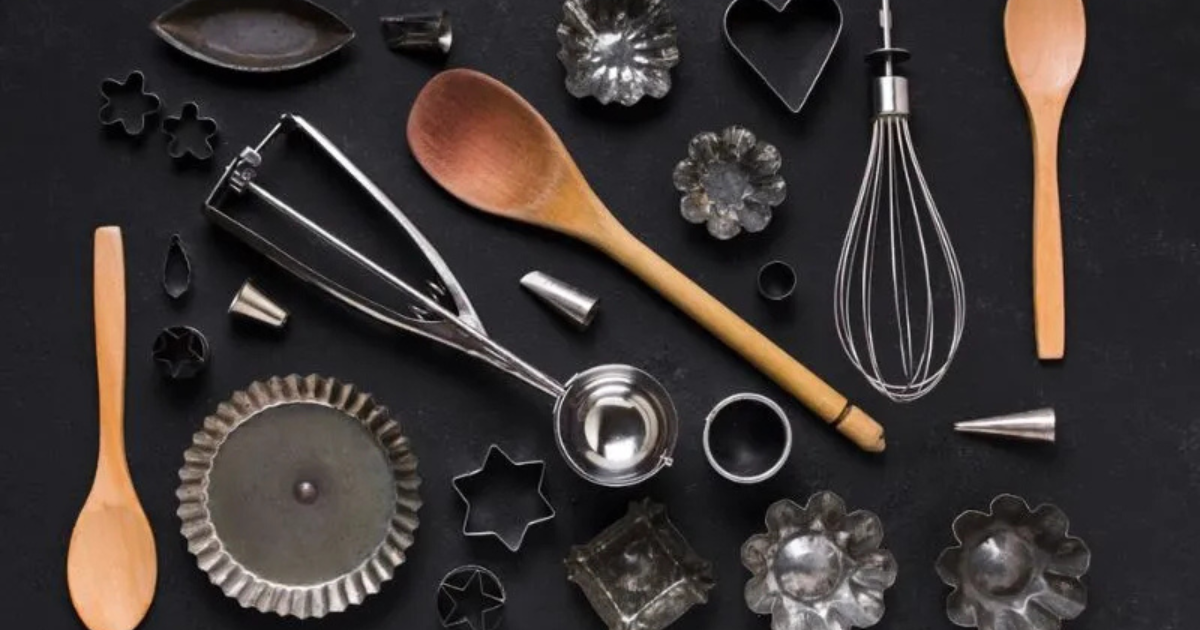
Some common kitchen tools include knives, cutting boards, measuring cups, mixing bowls, spatulas, whisks, peelers, graters, and cooking spoons. Choosing the correct tool for each task makes food preparation more organized and efficient.
2. How to Use Kitchen Knives Properly
Kitchen knives are among the most important tools in any kitchen. They are used for chopping vegetables, slicing fruits, cutting meat, and preparing other ingredients.
Always hold a knife firmly by its handle and keep your fingers away from the blade. Use a stable cutting board to prevent slipping while cutting. A sharp knife is generally safer than a dull one because it requires less force and provides better control.
After using a knife, wash it carefully, dry it completely, and store it in a knife block or protective holder.
3. Using Measuring Cups and Spoons
Measuring cups and spoons are essential for accurate cooking and baking. They help maintain the correct proportions of ingredients and improve consistency.
Use measuring cups for ingredients such as flour, sugar, milk, and water. Measuring spoons are useful for smaller quantities of salt, spices, baking powder, and other ingredients.
For dry ingredients, use dry measuring cups when available. For liquids, use a liquid measuring jug and check the measurement at eye level.
4. Proper Use of Mixing Bowls and Whisks
Mixing bowls are used to combine ingredients, prepare salads, mix dough, and organize food before cooking. Choose a bowl size that provides enough space for mixing without spilling.
A whisk is useful for beating eggs, mixing sauces, preparing dressings, and combining dry ingredients. Move the whisk smoothly to create an even mixture.
For thick mixtures, use a sturdy spoon or spatula instead of applying too much pressure to a small whisk.
5. Using Peelers and Graters Safely
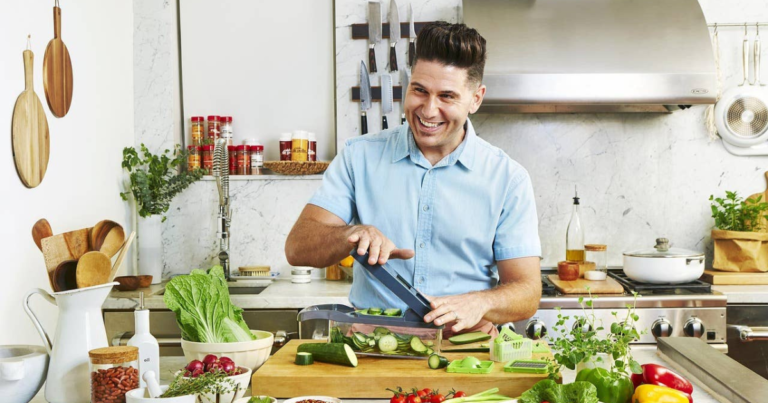
Vegetable peelers make it easy to remove the outer skin of potatoes, carrots, cucumbers, and other vegetables. Hold the vegetable securely and move the peeler away from your fingers.
Graters are useful for shredding cheese, vegetables, and other ingredients. Always hold the handle firmly and keep your fingertips away from the sharp surface. Stop grating when the remaining food becomes too small to hold safely.
6. How to Use Cooking Utensils
Cooking utensils such as spatulas, ladles, tongs, and wooden spoons are helpful for preparing meals.
Use spatulas to flip pancakes, stir mixtures, and scrape food from bowls. Ladles are designed for serving soups and sauces, while tongs help turn meat and vegetables during cooking.
Choose heat-resistant utensils when working with hot pans. Silicone and wooden utensils are useful options for many cooking tasks, especially when using nonstick cookware.
7. Important Kitchen Safety Tips
Using kitchen tools properly also means following basic safety rules. Always keep sharp tools away from children and store them in safe locations.
Wash kitchen tools before and after use, especially when preparing raw meat, seafood, or eggs. Use separate cutting boards for raw meat and ready-to-eat foods to reduce the risk of cross-contamination.
Never leave sharp knives in a sink full of soapy water, and avoid touching hot cookware without suitable oven mitts or heat-resistant gloves.
8. Cleaning and Maintaining Kitchen Tools
Regular cleaning helps kitchen tools last longer and prevents the buildup of bacteria and food residue.
Wash utensils according to their manufacturer’s instructions. Dry metal tools properly to prevent rust, and avoid exposing wooden utensils to water for long periods.
Check knives, peelers, graters, and other tools regularly for damage. Replace broken or unsafe equipment when necessary.
Conclusion
Learning how to use kitchen tools properly is an important part of becoming a confident cook. From knives and measuring cups to spatulas and graters, every tool has a specific purpose that makes food preparation easier and safer. By choosing the right equipment, following safety practices, and cleaning tools regularly, you can improve your cooking experience and maintain an organized kitchen. Good kitchen habits will help beginners and experienced cooks prepare delicious meals with confidence.