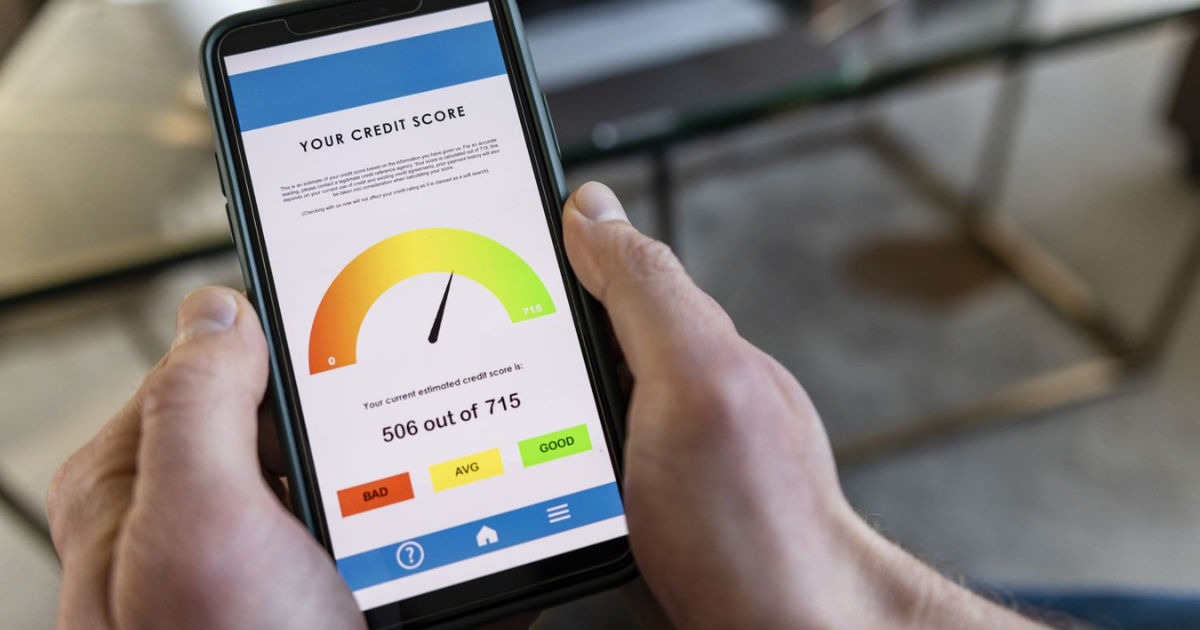
How to Improve Your Credit Score: 8 Simple Tips for Better Financial Health
Your credit score plays an important role in your financial life. It helps lenders understand how responsibly you manage borrowed money and repay debts. A good credit score can make it easier to qualify for loans, credit cards, and better interest rates. On the other hand, a low credit score may make borrowing more difficult and expensive.
The good news is that improving your credit score is possible with the right financial habits. Whether you have a low credit score or want to maintain a strong one, following a few simple strategies can help.
In this article, we will explore eight practical ways to improve your credit score and build a healthier financial future.
1. Pay Your Bills on Time
Payment history is one of the most important factors affecting your credit score. Missing loan or credit card payments can negatively affect your credit history.
To avoid late payments, create a monthly payment schedule and set reminders on your phone. You can also use automatic payments when available.
Try to pay at least the required minimum amount before the due date. Consistent on-time payments demonstrate responsible financial behavior.
2. Keep Your Credit Card Balances Low
Credit utilization refers to how much of your available credit you are using. For example, if your credit card limit is $5,000 and your balance is $2,500, your credit utilization is 50%.
A high credit utilization ratio may negatively affect your credit score. Financial experts commonly recommend keeping credit utilization below 30%, although lower is generally better.
Paying down outstanding balances can help improve your credit profile over time.
3. Check Your Credit Report Regularly
Your credit report contains important information about your borrowing and repayment history. Errors in this report may negatively affect your credit score.
Review your credit report regularly and look for:
- Incorrect personal information.
- Accounts you do not recognize.
- Incorrect payment records.
- Duplicate debts.
- Incorrect outstanding balances.
If you discover an error, contact the relevant credit bureau or lender to dispute it. Correcting inaccurate information may help improve your credit standing.
4. Avoid Applying for Too Many Credit Cards
Every time you apply for certain types of credit, lenders may perform a hard credit inquiry. Multiple hard inquiries within a short period can temporarily lower your credit score.
Before applying for a new credit card or loan, compare available options and understand the requirements.
Only apply for credit when you genuinely need it. Avoid opening several new accounts within a short period.
5. Pay Off Existing Debts
Having too much outstanding debt can make managing your finances difficult. It may also affect your credit profile.
Create a debt repayment plan and focus on reducing your balances. You can start by paying off high-interest debts first or use the debt snowball method, which focuses on clearing smaller debts first.
Making regular payments and reducing outstanding balances can improve your financial health.
6. Keep Older Credit Accounts Open
The length of your credit history can influence your credit score. Older accounts may demonstrate that you have experience managing credit responsibly.
If an older credit card has no annual fee and is in good standing, consider keeping it open rather than closing it unnecessarily.
However, always review the fees and terms before deciding to keep an account.
7. Maintain a Healthy Mix of Credit
Credit scoring systems may consider the different types of credit you manage, such as credit cards, personal loans, and installment loans.
Managing different types of credit responsibly can contribute positively to your credit profile.
However, never borrow money simply to create a credit mix. Only use credit products that meet your actual financial needs.
8. Be Patient and Consistent
Improving your credit score does not happen overnight. It takes time, responsible financial decisions, and consistent repayment habits.
Continue paying bills on time, keeping balances low, avoiding unnecessary borrowing, and checking your credit report.
Remember that negative information may remain on your credit report for a certain period, depending on local laws and credit reporting rules.
Conclusion
Improving your credit score is an important step toward better financial health. By paying bills on time, reducing debt, maintaining low credit card balances, checking your credit report, and using credit responsibly, you can gradually build a stronger credit history.
The key is consistency. Start making better financial decisions today, avoid unnecessary debt, and give your credit profile time to improve. A healthy credit score can create more financial opportunities and help you achieve your long-term goals.