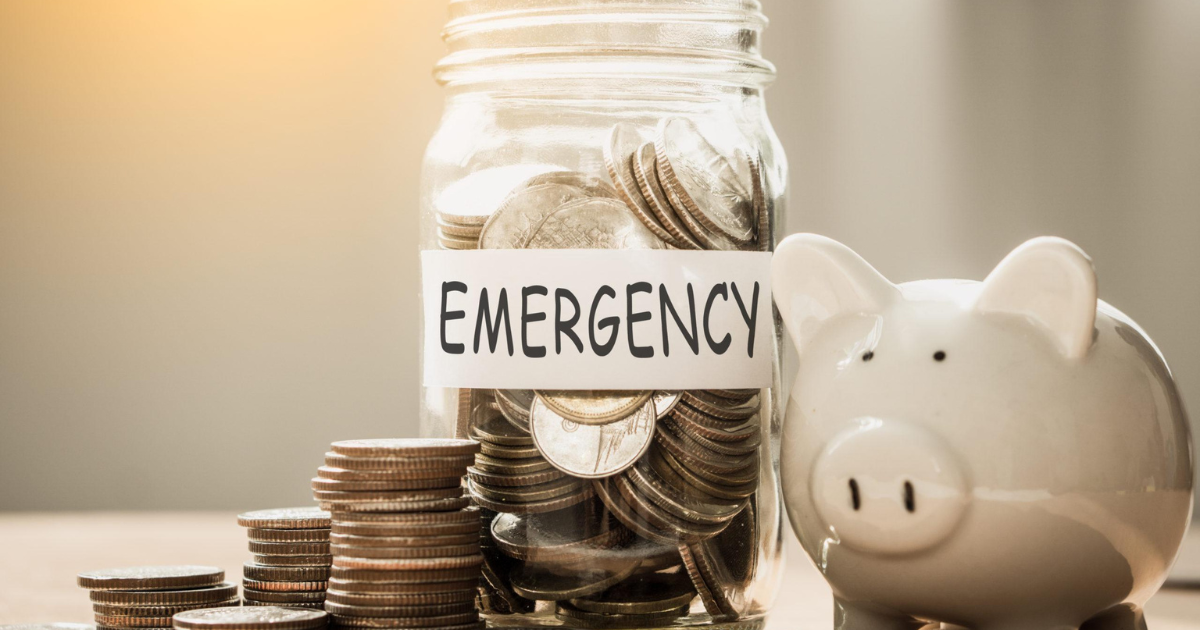
Emergency Fund: Why It Matters and How to Build One
Life is full of unexpected situations. You may suddenly lose your job, face a medical emergency, need urgent car repairs, or experience an unexpected household expense. These situations can create financial stress, especially when you do not have enough money saved. This is why having an emergency fund is an important part of financial planning.
An emergency fund is money that you save specifically for unexpected expenses. It provides financial protection and helps you manage difficult situations without depending on loans, credit cards, or borrowing money from others.
In this article, we will explain why an emergency fund matters, how much you should save, and how to build one step by step.
1. What Is an Emergency Fund?
An emergency fund is a separate amount of money reserved for unexpected financial situations. Unlike regular savings, which may be used for vacations, shopping, or future purchases, emergency savings are meant for urgent and necessary expenses.
Some common situations where you may need an emergency fund include:
- Unexpected medical bills.
- Sudden job loss or reduced income.
- Emergency home repairs.
- Urgent car or vehicle repairs.
- Unexpected family expenses.
- Essential travel during emergencies.
Having money available for these situations can help you stay financially prepared.
2. Why Is an Emergency Fund Important?
An emergency fund plays an important role in protecting your financial future. Here are some major benefits.
Financial Security: An emergency fund gives you financial protection when unexpected expenses occur. You do not have to worry as much about where to find money during difficult situations.
Avoiding Debt: Without emergency savings, many people depend on credit cards or personal loans. This can create additional financial pressure because of interest payments. An emergency fund helps reduce the need for borrowing.
Peace of Mind: Financial problems can cause stress and anxiety. Having savings available can make unexpected situations easier to manage.
Protection Against Job Loss: If you suddenly lose your job, emergency savings can help cover essential expenses while you search for another employment opportunity.
3. How Much Money Should You Save?
A common recommendation is to build an emergency fund that covers three to six months of essential living expenses.
For example, if your monthly essential expenses are $1,000, your emergency fund goal could be between $3,000 and $6,000.
However, the right amount depends on your personal situation. If you have an unstable income, dependents, or work as a freelancer, you may want to save more.
Do not worry if this amount seems too large. Start with a small target and gradually increase your savings.
4. How to Build an Emergency Fund
Building an emergency fund takes time, but following a simple plan can make the process easier.
Start With a Small Goal: Begin by saving a manageable amount, such as $100 or whatever is affordable for your budget. Your first goal should be to create a small financial safety net.
Save Money Every Month: Decide how much you can save from your monthly income. Make saving a regular financial habit.
Reduce Unnecessary Expenses: Review your spending and identify areas where you can save money. Reduce unnecessary shopping, restaurant visits, and unused subscriptions.
Automate Your Savings: Set up automatic transfers to a separate savings account whenever you receive your salary. This helps you save consistently.
Increase Savings Over Time: Whenever your income increases or you receive extra money, consider adding a portion to your emergency fund.
5. Where Should You Keep Your Emergency Fund?
Your emergency fund should be kept somewhere safe and easily accessible. The main purpose is to have money available whenever an unexpected situation occurs.
Consider keeping your emergency savings in a separate bank savings account or another suitable low-risk, liquid savings option.
Avoid putting all your emergency money into investments that can lose value or take a long time to withdraw. Emergency savings should prioritize safety and accessibility rather than high returns.
6. When Should You Use Your Emergency Fund?
An emergency fund should only be used for genuine unexpected and necessary expenses.
For example, medical emergencies, sudden unemployment, urgent home repairs, and essential vehicle repairs are reasonable reasons to use these savings.
Avoid using this money for shopping, entertainment, vacations, or expensive personal purchases.
After using your emergency fund, make a plan to rebuild it gradually so you remain financially prepared.
7. Make Emergency Savings a Financial Priority
Building an emergency fund should be an important part of your overall financial plan. Even if you have other financial goals, try to save a small amount regularly for unexpected situations.
Review your emergency fund every few months and adjust your savings target when your income or living expenses change.
Conclusion
An emergency fund is one of the most valuable tools for achieving financial stability. It protects you from unexpected expenses, reduces financial stress, and helps you avoid unnecessary debt.
You do not need a large income to start building an emergency fund. Begin with small savings, remain consistent, and gradually work toward covering three to six months of essential expenses.
Remember, financial emergencies can happen at any time. Preparing today can help protect your tomorrow.