Saving Money: Best Practices to Build a Strong Financial Future
Saving money is one of the most important habits for achieving financial security and independence. Whether you want to buy a house, start a business, pay for education, or prepare for emergencies, having savings can make your future more secure. However, many people find it difficult to save money because of unnecessary spending, poor financial planning, and unexpected expenses.
The good news is that you do not need a high income to start saving. With the right strategies and consistent habits, anyone can improve their financial situation. Here are some of the best practices to help you save money effectively.
1. Create a Monthly Budget
The first step toward saving money is creating a monthly budget. A budget helps you understand how much money you earn and how much you spend.
Start by listing your monthly income and expenses, including rent, groceries, transportation, electricity bills, and entertainment. Once you understand your spending habits, identify areas where you can reduce unnecessary expenses.
A proper budget allows you to manage your money wisely and make saving a regular part of your financial routine.
2. Set Clear Savings Goals
Saving money becomes easier when you have a specific goal. Instead of saving without a purpose, decide what you want to achieve.
Some common savings goals include:
- Building an emergency fund.
- Buying a car or house.
- Paying for education.
- Planning a family vacation.
- Starting a business.
- Preparing for retirement.
Set short-term and long-term goals. Having clear targets will motivate you to stay consistent and avoid unnecessary spending.
3. Follow the 50/30/20 Rule
The 50/30/20 rule is a popular budgeting method that helps you divide your income into three categories.
- 50% for Needs: Essential expenses such as housing, food, and bills.
- 30% for Wants: Entertainment, shopping, and personal activities.
- 20% for Savings: Emergency funds, investments, and future financial goals.
For example, if your monthly income is $2,500, you can allocate $500 toward savings. Adjust these percentages according to your financial situation and living expenses.
4. Avoid Unnecessary Spending
Unnecessary spending is one of the biggest obstacles to saving money. Small purchases may seem harmless, but they can become expensive when repeated regularly.
Before purchasing something, ask yourself whether you really need it. Avoid impulse buying, compare prices, and look for discounts when shopping.
You can also reduce spending by cooking at home, limiting expensive restaurant visits, canceling unused subscriptions, and avoiding unnecessary online shopping.
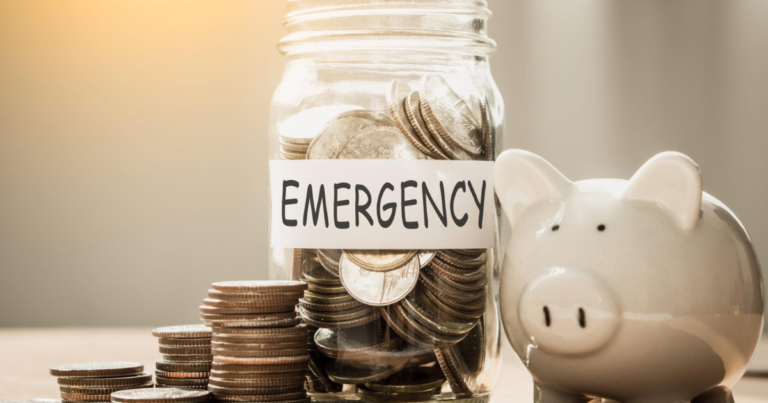
5. Build an Emergency Fund
An emergency fund protects you from unexpected financial problems. These may include medical expenses, job loss, car repairs, or urgent household costs.
Start by saving a small amount every month. Gradually work toward building an emergency fund that covers three to six months of essential living expenses.
Keep this money somewhere safe and accessible so you can use it when necessary without relying on loans or credit cards.
6. Save Money Automatically
One of the easiest ways to develop a saving habit is to automate your savings. Set up an automatic transfer from your main account to your savings account whenever you receive your salary.
This approach ensures that you save money before spending it on other things.
Even if you can only save a small amount every month, consistency is more important than the amount. Over time, your savings can grow significantly.
7. Track Your Expenses Regularly
Tracking your expenses helps you understand where your money goes. You can use a notebook, spreadsheet, or budgeting application to record your daily purchases.
Review your spending every week and compare it with your monthly budget. Identify areas where you are spending too much and make adjustments.
Regular expense tracking helps you stay financially disciplined and achieve your savings goals faster.
8. Reduce Debt and Manage Credit Wisely
High-interest debt can make saving money difficult because a large portion of your income goes toward interest payments.
Focus on paying off expensive debts while maintaining regular savings where possible. Avoid borrowing money for unnecessary purchases and use credit cards responsibly.
Reducing debt gives you more financial flexibility and allows you to put more money toward your future goals.
Conclusion
Saving money is not about becoming wealthy overnight. It is about developing smart financial habits and making consistent decisions. By creating a budget, setting savings goals, avoiding unnecessary expenses, building an emergency fund, and tracking your spending, you can improve your financial health.
Start with small steps, remain disciplined, and increase your savings whenever possible. Remember, every amount you save today can help build a more secure financial future tomorrow.